
Myofascial Release Perth: What It Is and How It May Help with Pain and Movement
Key Takeaways
Fascia is connective tissue that supports movement throughout the body.
Myofascial release is a hands-on technique that may improve comfort and mobility.
It is commonly used alongside exercise and rehabilitation.
Assessment is important to determine the most appropriate treatment approach.
Active rehabilitation remains a key component of long-term outcomes.
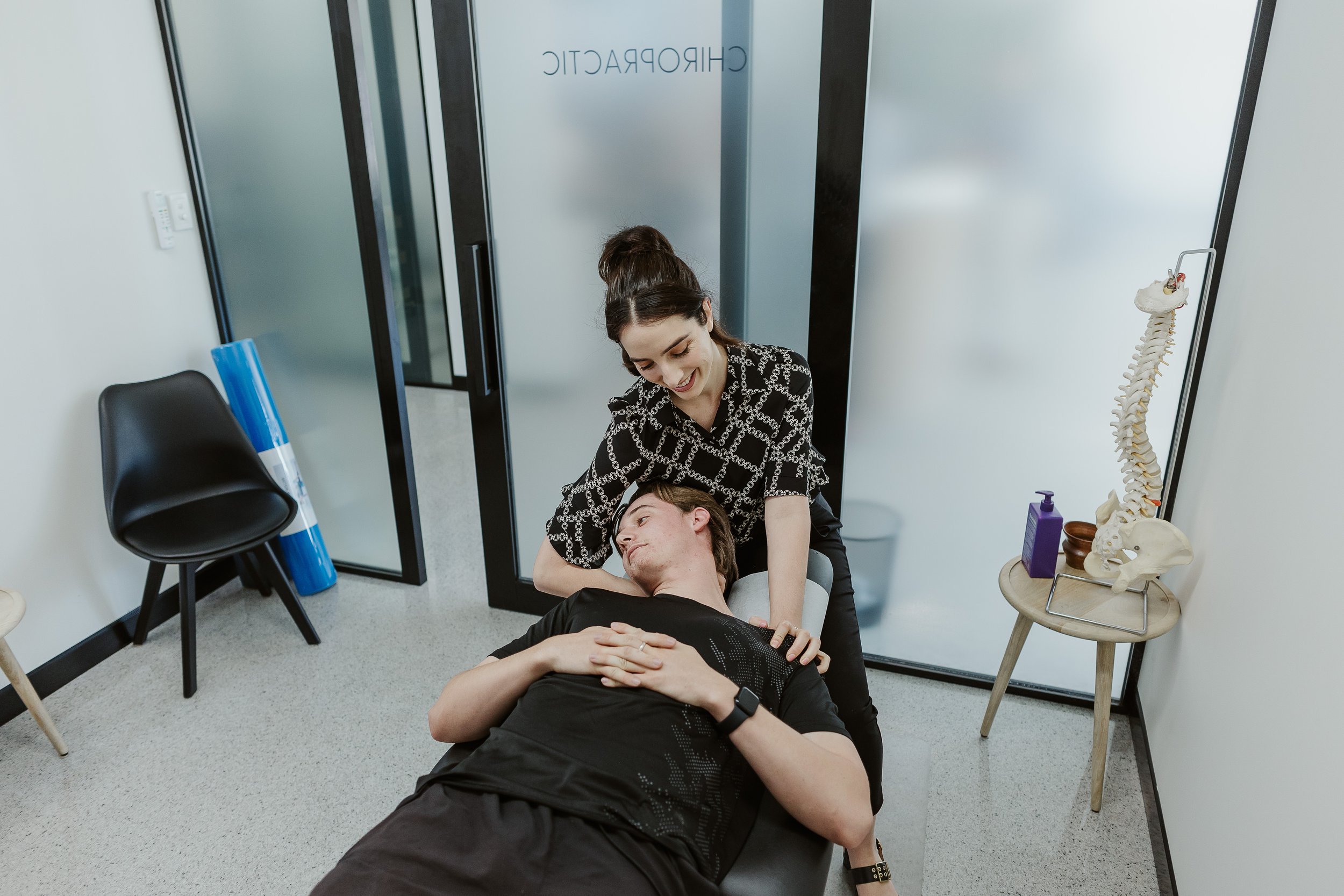
Neck Fascial release from a Chiropractor
Many people experiencing stiffness, muscle tension or recurring aches have heard the term myofascial release but are unsure what it actually involves.
At Spine & Sports, we regularly work with active individuals, office workers and recreational athletes looking to improve movement quality, manage discomfort and support recovery. Myofascial release is one of several hands-on techniques that may be incorporated into an evidence-informed treatment approach.
What Is Fascia?
Fascia is a connective tissue network that surrounds muscles, tendons, joints and other structures throughout the body.
Rather than existing as isolated muscles and joints, the body functions as an interconnected system. Fascia helps transmit force, provides support and contributes to movement.
When tissues become overloaded, injured or exposed to prolonged postures, people may experience sensations such as:
Tightness
Stiffness
Reduced flexibility
Movement restrictions
Localised discomfort
It’s important to recognise that pain is complex and influenced by many factors. Tissue tension is only one part of the overall picture.
What Is Myofascial Release?
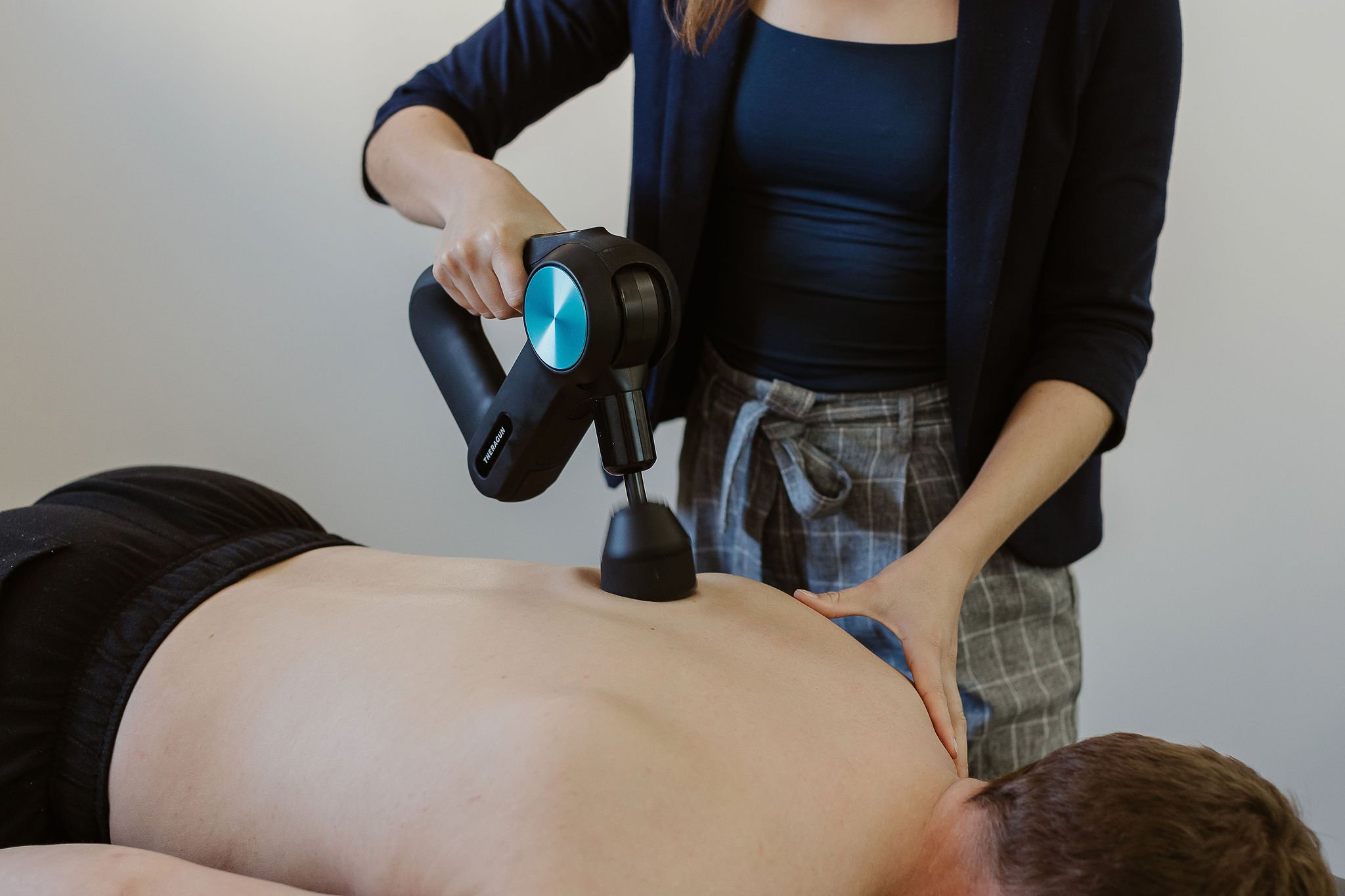
Myofascial release is a hands-on treatment technique involving sustained pressure and movement applied to soft tissues.
The aim is to:
Improve comfort during movement
Reduce feelings of tightness
Support mobility
Encourage normal movement patterns
Treatment is typically gentle and adapted to the individual’s presentation and goals.
Myofascial release is often combined with:
Mobility training
Strength programs
Education
Activity modification

Remedial massage and myofascial release
How Can Fascia Become Sensitive or Restricted?
Many factors may contribute to feelings of tightness or movement restriction, including:
Repetitive Movement
Running, cycling, gym training and occupational activities can create repeated loading patterns.
Prolonged Sitting
Extended periods at a desk may contribute to stiffness in the hips, back and neck.
Injury Recovery
Following injury, people often adopt protective movement strategies that can influence mobility.
Training Load Changes
Sudden increases in exercise volume or intensity may contribute to muscle soreness and tissue sensitivity.
Conditions Commonly Associated with Myofascial Tightness
While myofascial release is not a cure for specific conditions, it may form part of a broader management plan for people experiencing:
Neck discomfort
Back pain
Shoulder stiffness
Hip tightness
Sports-related muscle tension
Reduced mobility after injury
General movement restrictions
Assessment is always important because similar symptoms can have different underlying causes.
What Does the Research Say?
Research suggests that manual therapy techniques, including myofascial release, may help improve short-term mobility and comfort for some individuals. However, outcomes vary among individuals, and the strongest results are often achieved when hands-on treatment is combined with active rehabilitation strategies, such as exercise and education. Modern healthcare increasingly focuses on helping people build resilience, confidence and long-term movement capacity rather than relying solely on passive treatments.
What Happens During a Myofascial Release Session?
A consultation typically begins with a thorough assessment of:
Symptoms
Movement patterns
Activity demands
Goals
If myofascial release is considered appropriate, treatment may involve:
Guided movement
Mobility exercises
Home exercises
Advice regarding activity and recovery
Your clinician will tailor treatment to your presentation and preferences. Depending on your assessment findings, treatment may involve manual therapy, exercise prescription and collaborative management with other healthcare practitioners.
Who May Benefit from Myofascial Release?
People who may explore myofascial release as part of their care include:
Recreational athletes
Runners
Gym-goers
Office workers
Individuals recovering from injury
People experiencing movement-related stiffness
The suitability of treatment depends on individual assessment findings. Some people may also benefit from complementary soft-tissue approaches, such as remedial massage, as part of a broader recovery strategy.

When Should You Seek Professional Advice?
If symptoms are:
Persisting
Recurrent
Affecting training
Limiting daily activities
Impacting work performance
A professional assessment can help determine the most appropriate management approach. Early assessment often helps identify contributing factors and provides a clear pathway toward recovery and improved function.
If stiffness, recurring tension or movement restrictions are affecting your training, work or daily activities, an assessment with the Spine & Sports team can help identify contributing factors and develop a personalised management plan tailored to your goals.
-
Most people describe treatment as tolerable and adjustable. Your clinician can modify pressure and techniques based on comfort levels.
-
There is some overlap. However, myofascial release typically focuses on specific tissue restrictions and movement-related goals within a broader treatment plan.
-
Some athletes use myofascial techniques as part of recovery strategies aimed at improving comfort and mobility between training sessions.
-
The number of sessions varies depending on symptoms, goals and individual response to treatment.
-
Current research suggests it may provide benefits for some individuals, particularly when integrated with exercise and active rehabilitation.